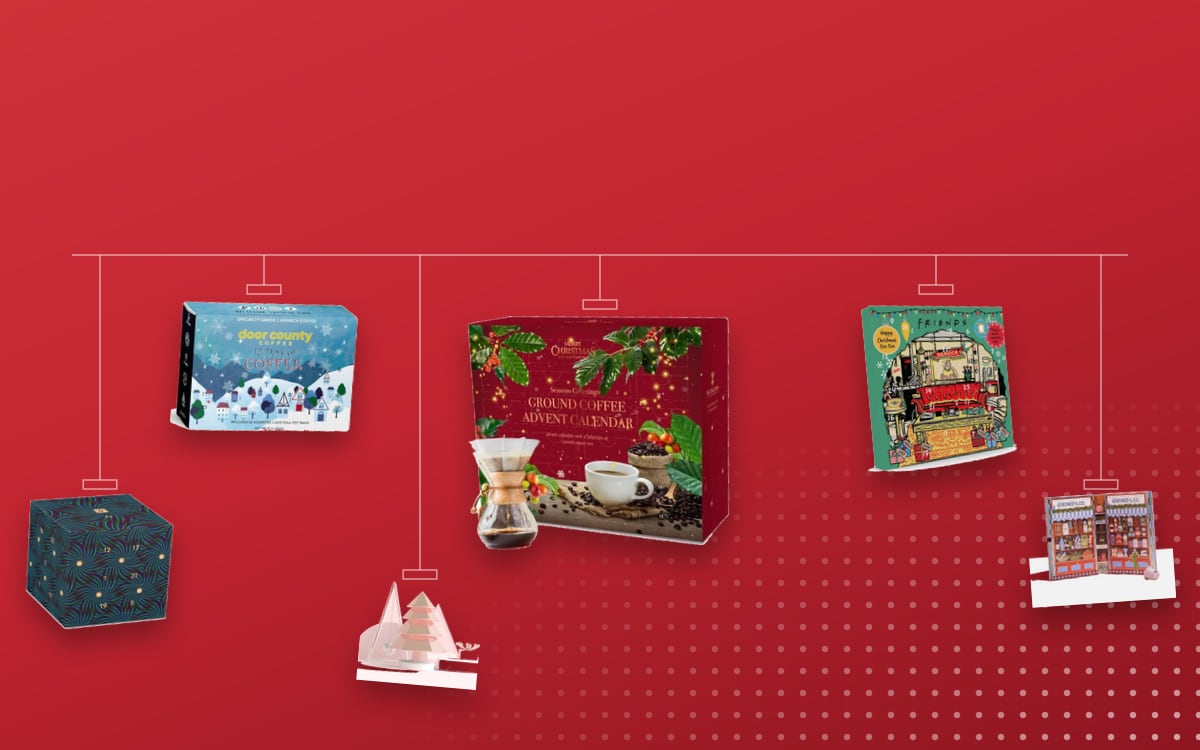
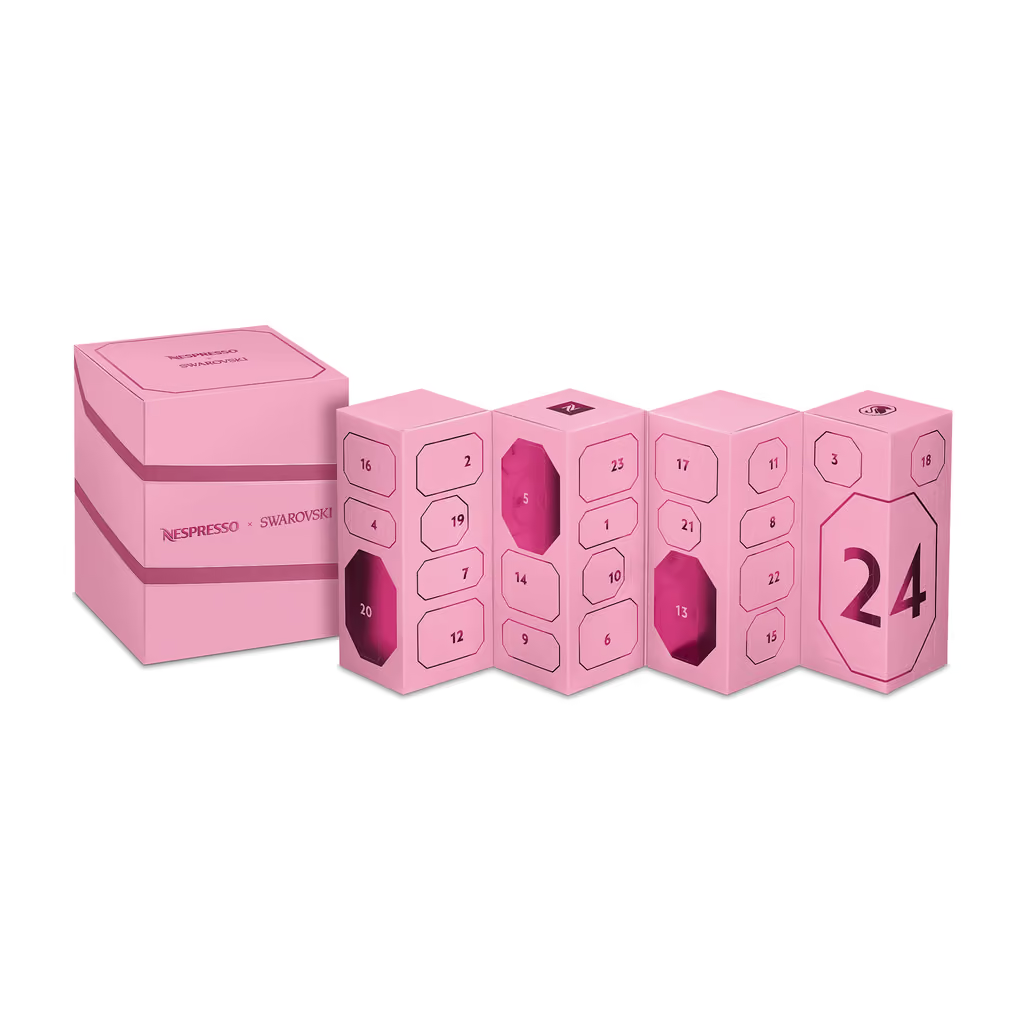
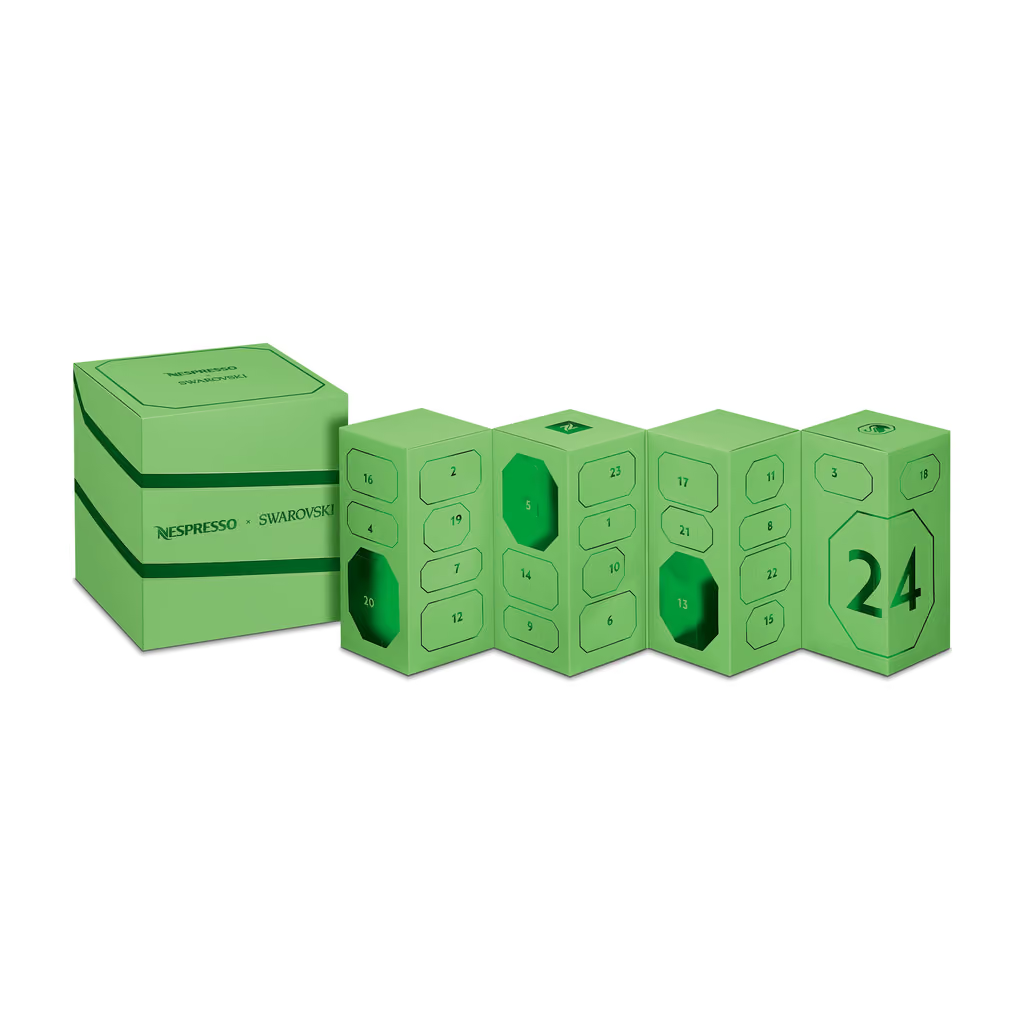
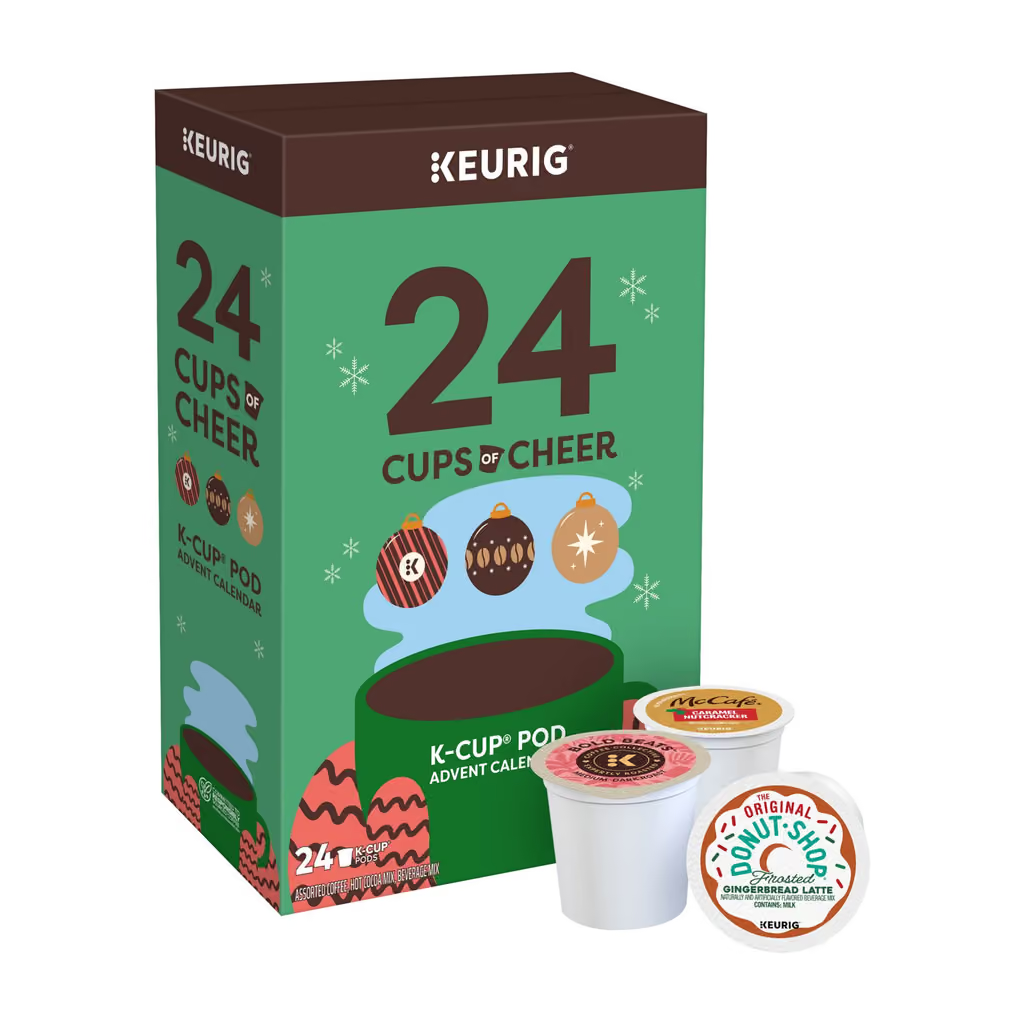
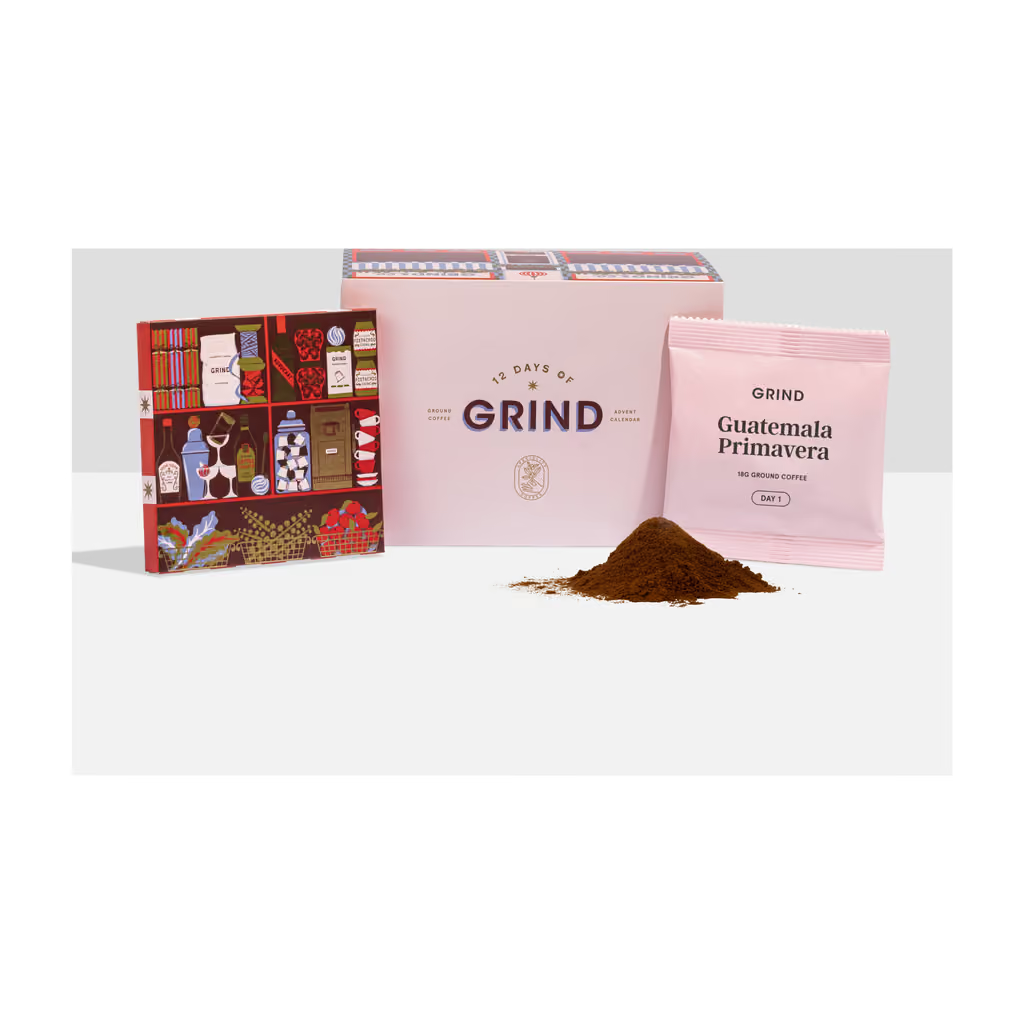
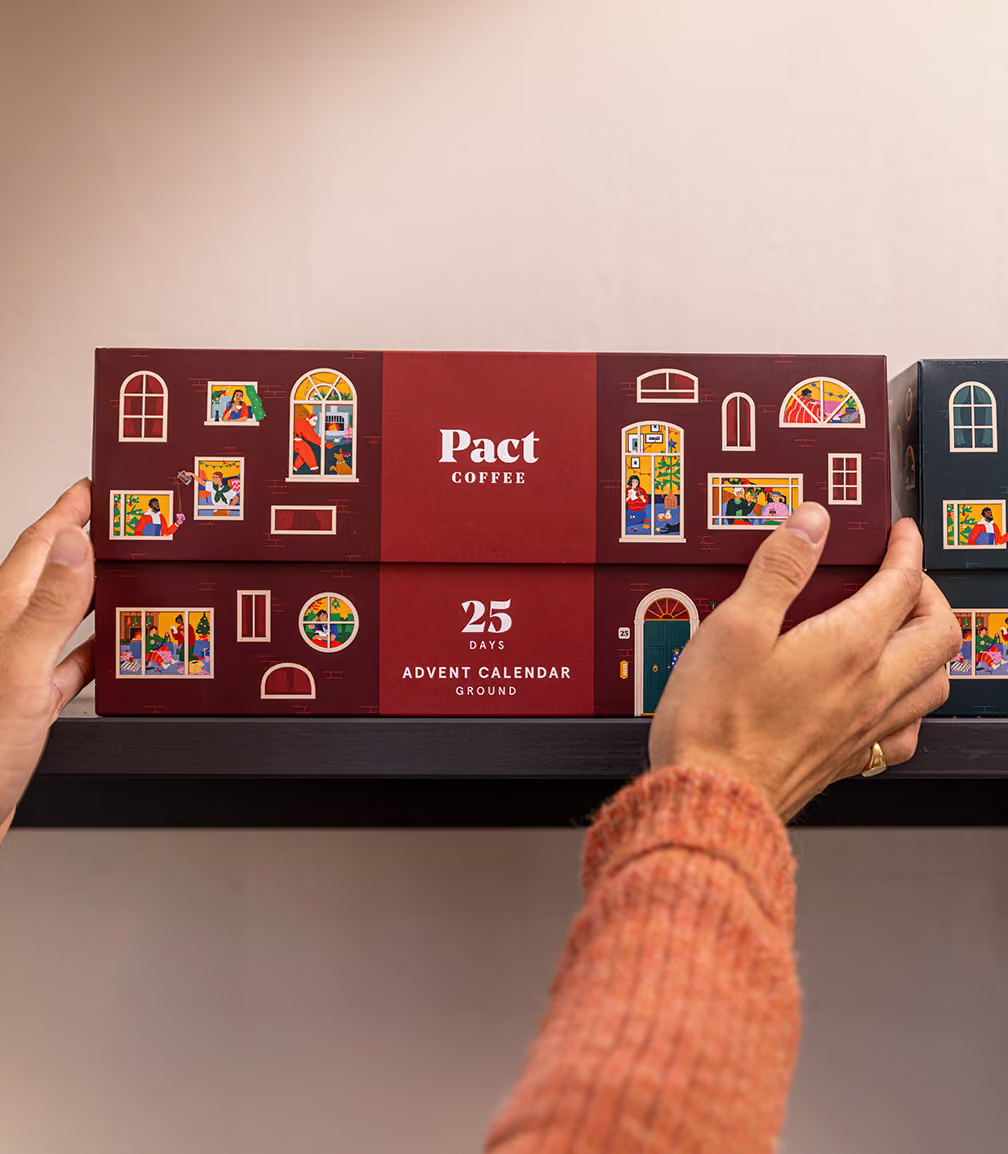
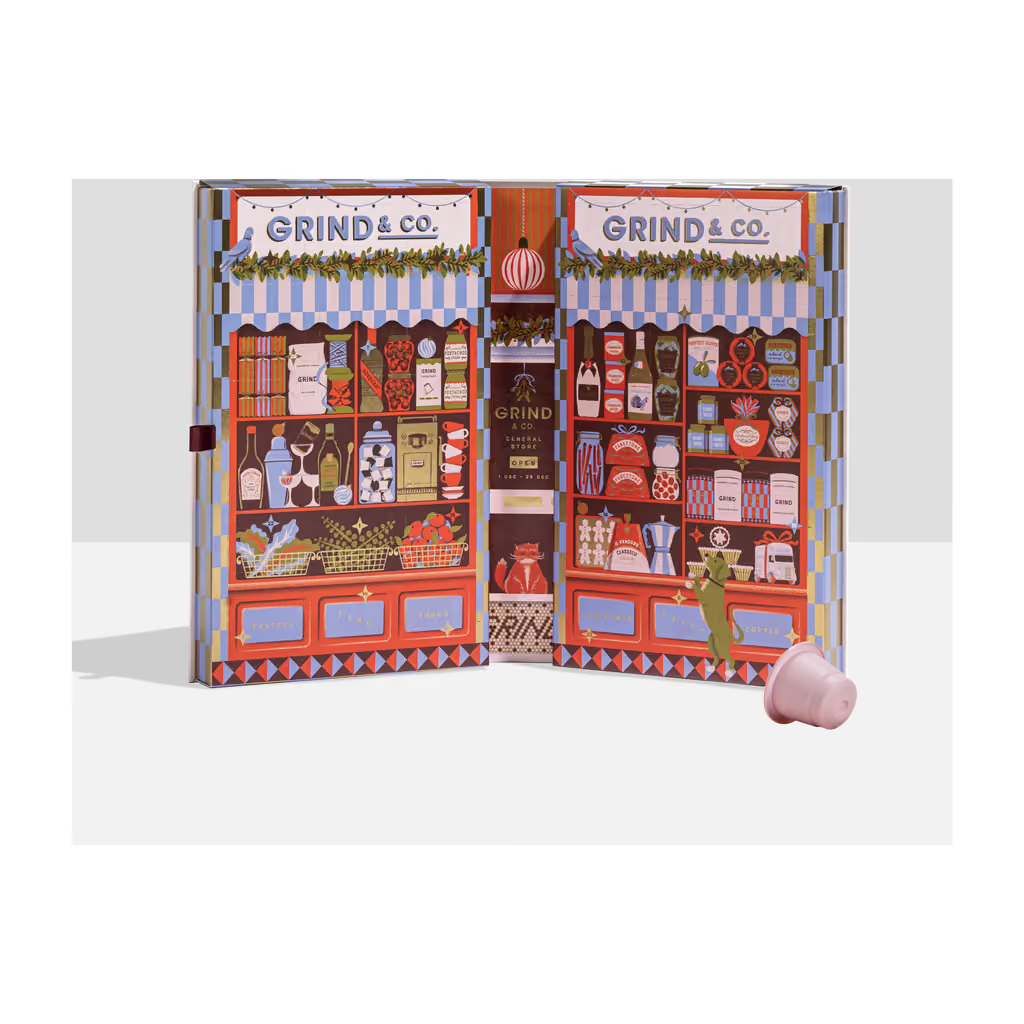
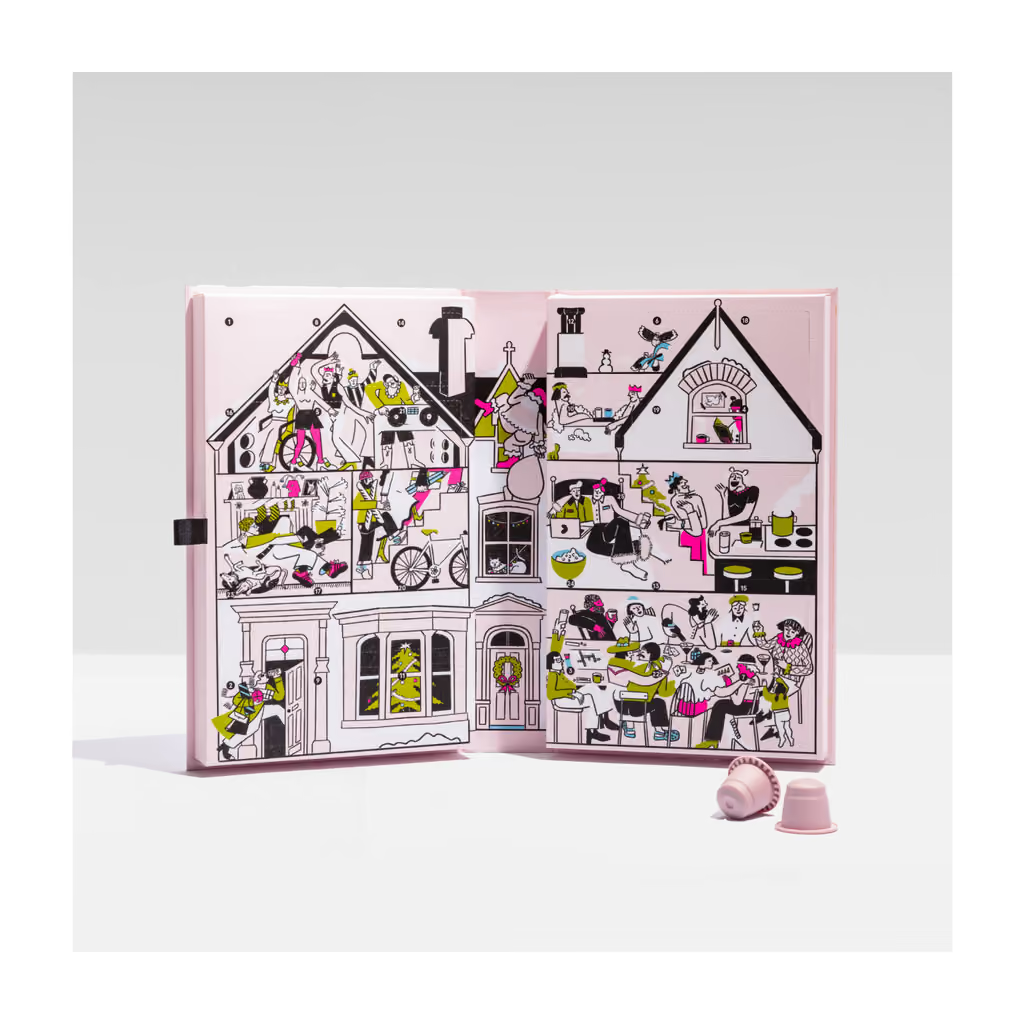
The choice is the machine: pods for a Nespresso, pouches for a grinder or a filter. Neither names the coffees in advance (Pact reveals them day by day, Grind prints the blend count) so both are bought on the roaster's record, and both roasters' records are good.
Step 01
Read the weight before the door count
Twenty-four doors can weigh 180 g or 850 g, and nobody on a food shelf prints a valuation, so grams per door is the figure that separates a box of mini balls from a box of bars. The calendar pages print the weight where the maker does; a 24-door box under 200 g is a taste a day, over 500 g is a real piece.
Step 02
Prefer a printed list, or know why there is none
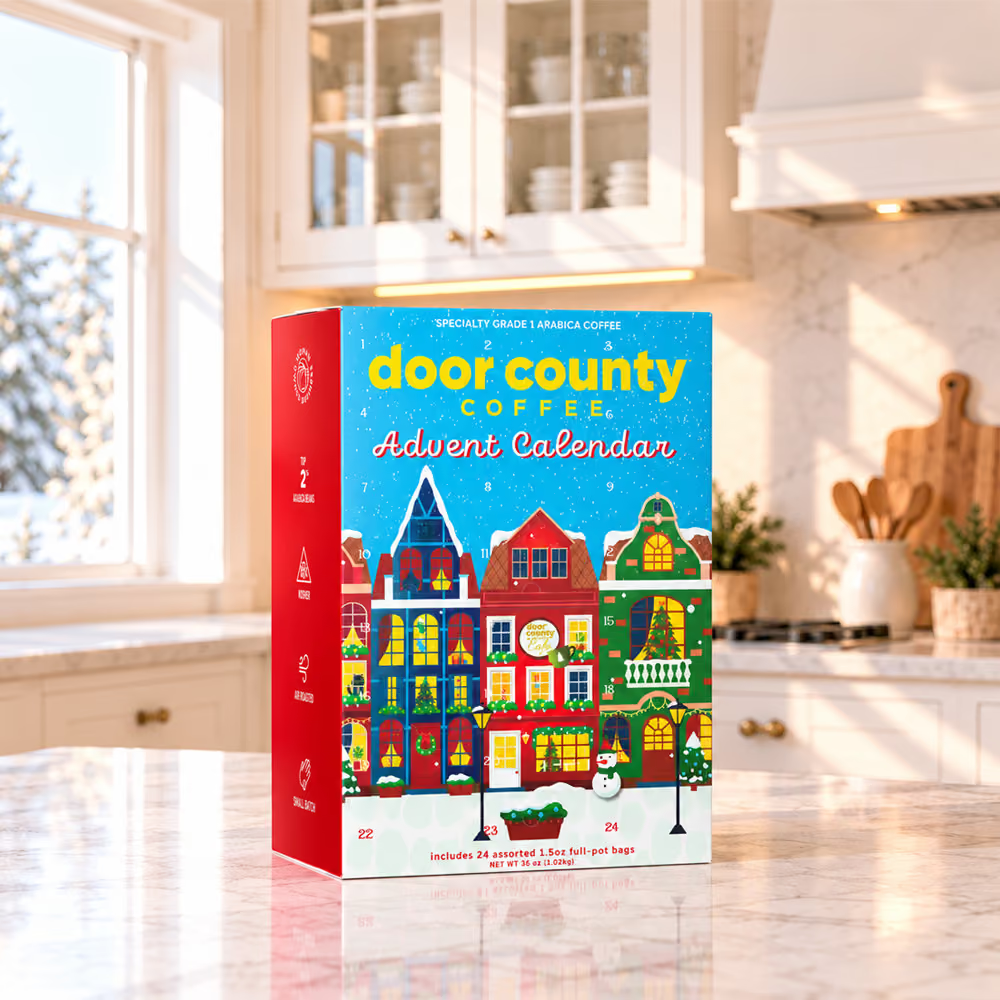
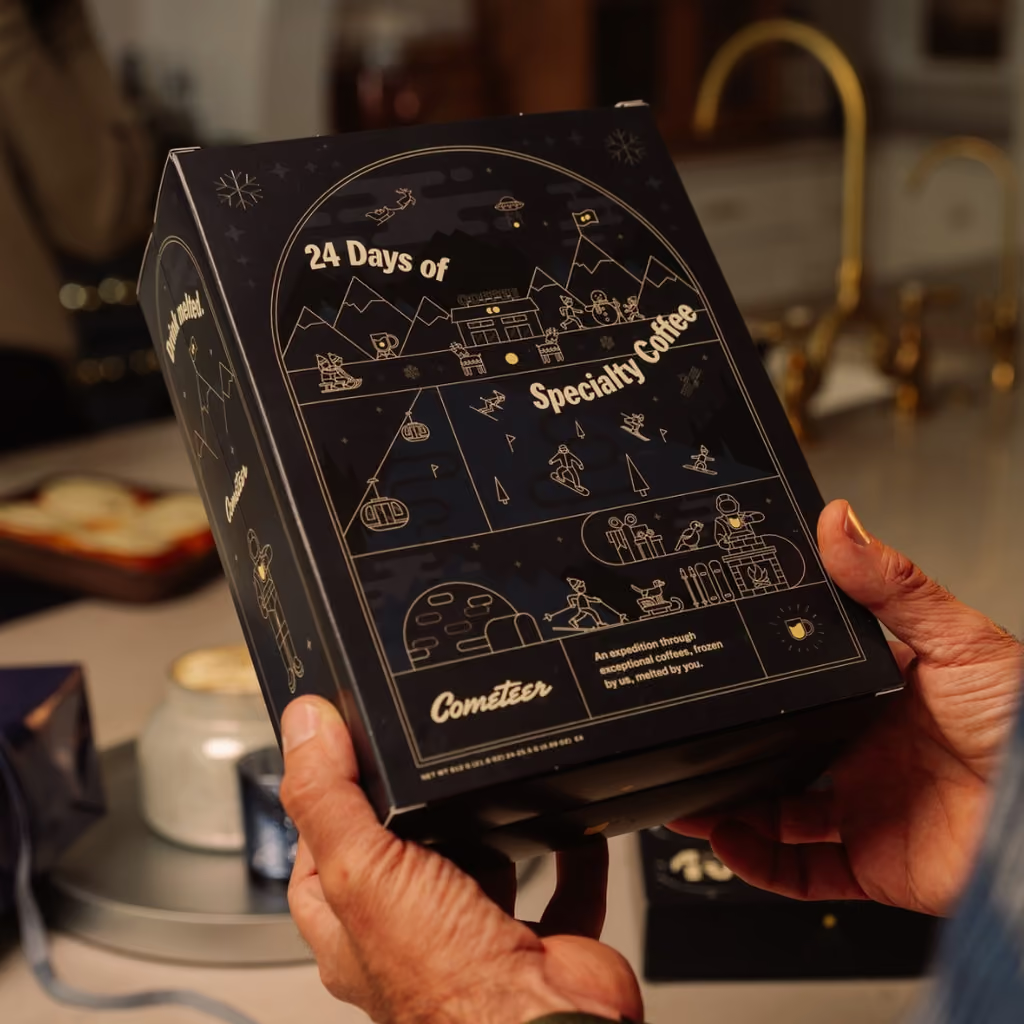
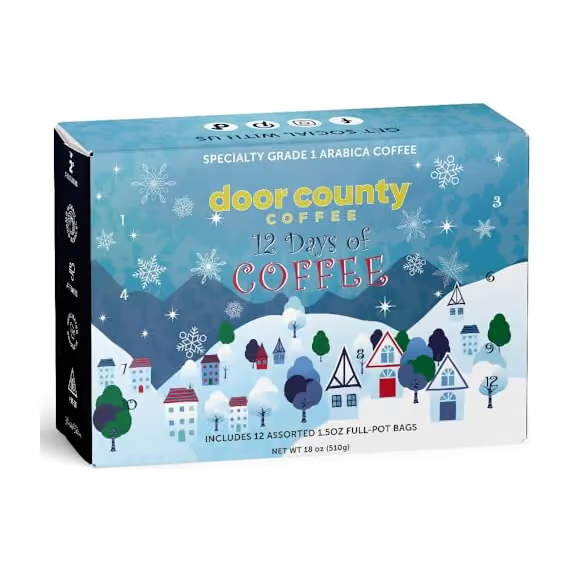
9 of the 9 here come with the maker's list of what is behind the doors — Cometeer Advent Calendar 2026, Door County Coffee Advent Calendar 2026 and Grind Ground and Whole Bean 2026 among them; 0 do not. Where a maker will not say what is behind door nine, the page says so, and the score reflects it.
Step 03
Compare the price per door
Across the 9 here with a list price, a door costs from about $1 to about $8, and the median is about $2.49. A chocolate door under a dollar is a mini ball; a door over three dollars should be a bar or a named praline. How the door price is counted →
Step 04
Start from this season's, from the ones we have opened
9 of the 15 on this page are 2026 editions and every one carries a verdict from us. The earlier editions stay listed for the record; the grid puts this season first.


 12 doorsWhat’s inside →